Bardiya National Park is Nepal's largest wild area, filled with dedicated nature lovers and wildlife enthusiasts every season. Hundreds of visitors come here each day seeking tigers, rhinos, and untouched forests.
This blog shows you not just the park's raw beauty, but also how to connect those visitor numbers to your business.
TREND OF TOTAL TOURISTS
Bardiya's tourism has grown strongly over the past 5 years. From 2021 to 2023, the total number of visitors has more than doubled, showing the park's rising popularity. However, early indications (latest data) point toward decreased tourists in Bardiya National Park.
Year | Nepali | SAARC | Foreign | Total |
|---|---|---|---|---|
2021 | 11,261 | 415 | 701 | 12,377 |
2022 | 14,325 | 1,095 | 4,541 | 19,961 |
2023 | 18,186 | 1,368 | 6,543 | 26,097 |
Jan-June, 2024 | 9,241 | 781 | 3,830 | 13,852 |
July-Dec, 2025 | 7,096 | 449 | 3,031 | 10,576 |
Source: Department of National Parks and Wildlife Conservation (2077/78-2080/81); The Kathmandu Post (2026)
TREND OF NEPALI TOURISTS
Nepali visitors are the steady foundation of your business. Their numbers grow reliably every year, providing essential income you can count on. Nepali tourists don't visit evenly throughout the year. They come in two clear waves, which are your busiest and most profitable times.
Nepali Tourist Arrival by Month, 2023
Source: Department of National Parks and Wildlife Conservation (2077/78-2080/81)
TREND OF FOREIGN TOURISTS
International (Foreign & SAARC) tourists are your biggest opportunity for higher profits. They spend 3 to 5 times more per day than local visitors.
Foreign Tourist Arrival by Month, 2023
Source: Department of National Parks and Wildlife Conservation (2077/78-2080/81)
SEASONAL TOTAL TOURISTS PATTERN
You cannot expect the same amount of money every month. A business plan that assumes steady income will run out of cash in the winter.
Total Tourist Arrival by Month, 2023
Source: Department of National Parks and Wildlife Conservation (2077/78-2080/81)
PROJECTED TOURISTS, 2026
Based on recent visitor trends, Bardiya is likely to see strong growth again in 2026. You can expect roughly 28,500 total visitors for the year.
- Treat these figures as a planning benchmark, not a promise. Tourism can shift quickly due to policies, the global economy, or local events.
Scenario | Visitor Estimate |
|---|---|
Realistic | ~ 28,500 |
Optimistic | ~ 29,300 |
Cautious | ~ 27,800 |
Note: 80% Confidence Interval
THE DATA SHOWS THE TOURIST NUMBERS; NOW THIS BLOG TEACHES YOU HOW TO TURN THAT NUMBER INTO INCOME.

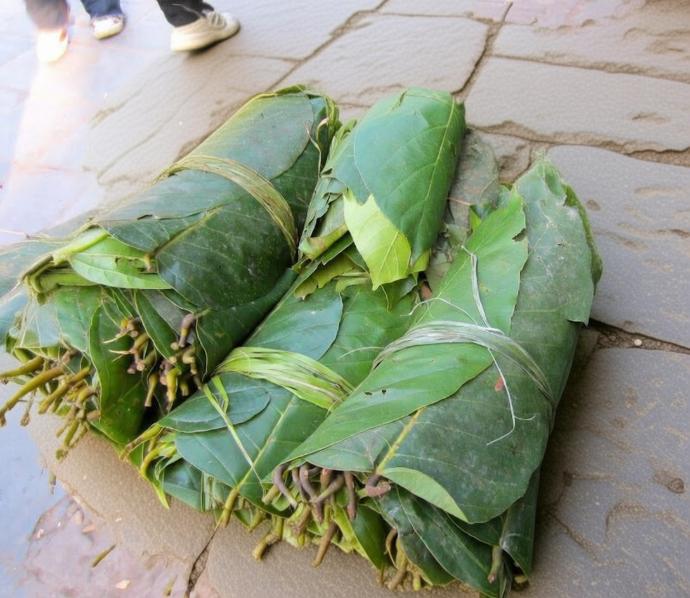



Do something different. Create your own product or find someone else for supply. This will put you in the spotlight.
Each opportunity above can be started small and scaled over time. Explore the detailed blogs below to take the next step
- From Weed to Wealth: The Complete Guide to the Nettle Powder Business in Nepal
- How Can Beetroot Powder Unlock a Fortune in Nepali Agribusiness?
- From Root to Riches: Unpacking Nepal’s Beetroot Boom
- Makhana Farming in Nepal: How to Turn Marshy Land into a High-Profit Superfood Enterprise
- From Farm to Fortune: The Complete Guide to the Banana Powder Business in Nepal
- From Farm Waste to Fashion: How Banana Fiber is Transforming Nepal's Rural Economy
- Apple Ber (Jujube) Farming in Nepal: A Low-Investment, High-Return Agricultural Opportunity
- Gundruk: The Rising Value of a Traditional Vegetable
- Chino (Finger Millet) Business in Nepal: From Forgotten Grain to Health Goldmine
- Sweet Potato Business in Nepal: Low Investment, High Returns
- From Temple Flowers to Income in Nepal: A Practical Incense Business Opportunity
- Turn Bananas into Higher Income: Value Addition Through Nice Cream and Ice Cream
- High-Quality Paper from Elephant Dung in Nepal: Production, Cost & Business Opportunity
- Rs 50 Mohi Business: How One Glass Can Turn Into Daily Income in Nepal
- Lapsi Candy in Nepal: Price, Profit & Business Potential (2026 Guide)
- Don't Throw Away Eggshells! Here's How They Can Become a Profitable Business
- Nepal's Gold: Turning Cow Dung into a Billion-Rupee Organic Fertilizer Industry
- From Waste to Wealth: How Nepal's Cow Dung Incense Can Become 'Green Gold' in the Global Market
- Rara's Problem is 20,000 Tourists. Its Solution is 3 Products
- Beyond the Diaspora: How Nepali Pickles are Conquering Global Premium Markets
- Bardiya National Park: Tourism Projections and the Reality of Hotel Requirements
- Are There Too Many Hotels in Sauraha? 2026 Projections and Strategies for Hoteliers
- Duna Tapari in Nepal: Market Size, Investment Potential & Global Export Opportunities (2025 Data)
- From Myagdi with a Vision: Is the Laundry Business Nepal’s Next Big Opportunity?
- Australian Tourists in Nepal: Trends, Opportunities, and Strategies for 2026
- Nepal Tourism Report 2026: Shifting Seasons & Hidden Opportunities
- Beyond the Border: A Data-Driven Look at How Indians Are Really Traveling in Nepal
- Chinese Tourists in Nepal: 2026 Data, Trends & Business Insights
- Parsa National Park Visitor Guide: Data, Insights & The Future of Nepal’s Quiet Wilderness
- Shey-Phoksundo 2026: The Data-Driven Guide to Nepal's Last Wilderness
- Krishnasar Insights: Data for Conservation & Tourism
- The Data Behind Koshi Tappu: 97% Nepali Tourists, a Monsoon Slump, and the Path to Year-Round Success
- Khaptad National Park: The Data-Backed Guide for Visitors & Businesses
- Api Nampa Conservation Area: Visitor Data, Growth Trends & Sustainable Strategies
- Gaurishankar by the Numbers: Data-Driven Insights for Trekkers & Businesses
- Banke National Park: Nepal's Quiet Wild Sanctuary
- Shukla Phanta by the Numbers: A Data Guide to Nepal's Grassland Kingdom
- Langtang National Park Tourism Status 2025: Data, Trends & Business Forecast
- The Makalu Barun Clock: Data, Peaks, and a Plan for Trekkers & Business
- Dhorpatan Hunting Reserve: A Complete Guide to Nepal's Unique Adventure
- Chitwan National Park Investment Guide: Data, Trends & Strategy
- Tourism in Bardiya: Data and Future
- Rara National Park: Inside the 2025 Tourism Boom & What's Next
- The UK Tourist has Changed. Has Your Business?
- 112K Americans Visited Nepal in 2025: New Season, New Spending Patterns
- Upper Mustang Unlocked: Tourism Data, Analysis & The New Frontier
- Your Simple Guide to a Profitable Business in Shivapuri Park
- Year-Round Business Success: A Strategy for Sagarmatha National Park
- The Business of Manaslu Trekking: A Data Guide for Trekkers & Companies
- The Kanchenjunga Boom: Data, Trends, and Your 2026 Business Plan
- Annapurna's New Trekking Economy: Data, Seasonality & Strategy