The commercial cultivation of makhana (fox nuts) set to begin in the Kachankawal area of Jhapa is opening doors to new possibilities in Nepal's agricultural sector.
Source: Bikash News 21/3/2026
Makhana cultivation, which has the particular ability to make wetlands and marshy lands productive, presents a new model for utilizing otherwise unused land.
With global demand rapidly increasing for makhana, which has established itself as a "superfood" in the world market, Nepal needs to view this not just as a crop but as a potential export-oriented industry. This product, currently imported from India, could reduce the trade deficit and create new sources of income if it can be produced and processed domestically.
In this context, the initiative launched from Jhapa should be understood as more than just a simple agricultural activity - it represents an opportunity for agricultural diversification, value addition, and entry into the international market for Nepal.
Turn Banana waste into income
While you think about Makhana farming, also think about earning income from banana waste.

Makhana (Fox Nuts) Cultivation: Production, and Opportunities
In today's world, makhana (fox nut) is not merely a traditional aquatic crop; it is the foundation of a rapidly growing "superfood" industry. Thriving in temperatures between 20 and 35 degrees Celsius, high humidity, and wetland areas, this crop yields well, particularly in ponds, marshes, and low-lying lands with stagnant water.
India accounts for approximately 70-80% of global production, largely due to its production and processing systems concentrated especially in the Bihar region. Recently, the shift from traditional pond systems to modern field systems appears to have increased both production and profitability. Its nutritional value, versatile uses (snacks, Ayurvedic applications, etc.), and international demand (in markets such as the United States, the United Kingdom, the UAE, etc.) are elevating makhana beyond agriculture and transforming it into an agribusiness.
Indicator | Pond System | Field System |
|---|---|---|
Yield (tons/hectare) | 1.7 – 1.9 | 2.6 – 3.0 |
Gross Income | NPR 470,000 | NPR 581,000 |
Cost | NPR 101,000 | NPR 122,000 |
Labor Cost | High | Medium |
Crop Duration | 8–10 months | 4–5 months |
Cropping Intensity | ~100% | 200–300% |
Profit Level | Medium | High |
Source: Makhanagrowers; IndiaFarm 1/10/2025; Makhana Cultivation
Note: This cost may vary by region, so treat accordingly.
Although both pond and field systems are suitable for makhana cultivation, they differ significantly in production and profitability. In the pond system, the yield is 1.7–1.9 tons per hectare, gross income is NPR 470,000, and the cost is NPR 101,000. In the field system, the yield is 2.6–3.0 tons per hectare, gross income is NPR 581,000, and the cost is NPR 122,000.
Although the production cost of the field system is slightly higher, its returns are significantly higher compared to the pond system because the crop duration is only 4–5 months, and 2–3 crops can be grown per year (200–300% cropping intensity). Similarly, the field system requires medium labor costs, whereas the pond system requires high labor. On this basis, the field system appears to be more profitable for large-scale commercial production.
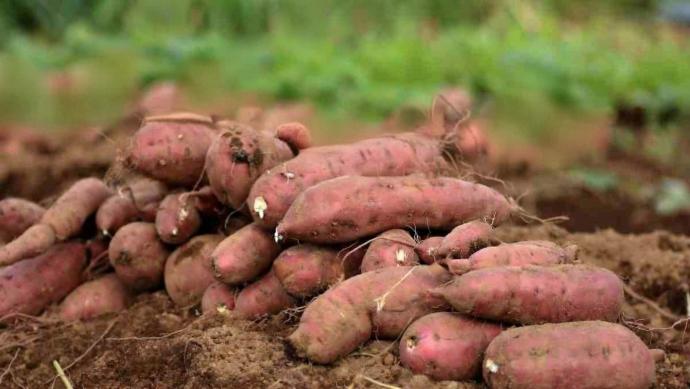
Sweet Potatoes and Terai - Perfect fit
Sweet Potatoes are mostly cultivated in the Terai regions. This is where Makhana is also highly suited.
Three Systems, Three Strategies: Which Path to Choose?
In makhana cultivation, the pond system, field system, and integrated fish-makhana system - each has its own business logic and potential. In a country like Nepal, with its diverse water resources and agricultural variety, these three systems should not be seen as competitors, but rather as complementary options suitable for different contexts and business objectives.
Pond System: Natural lakes and ponds in the Terai hold suitable potential for makhana cultivation. These locations already have permanent water sources and naturally provide the environment necessary for makhana growth.
- Connect makhana cultivation with tourism in tourist destinations like Mai Pokhari. The large leaves and flowers of makhana blooming in the pond are an attractive sight in themselves.
- Market makhana produced in natural water bodies as "natural lake product" or "wild wetland makhana" at premium prices. Combined with organic certification, this can enter international niche markets at higher price points.
- Once seeds are planted in a natural water body, makhana regenerates on its own. Annual seed purchase is not required, and management costs remain low.
Field System: Flat, irrigated land in the Terai, where paddy is cultivated, is suitable for the field system.
- In the field system, two to three crops can be grown per year. This allows maximum production from limited land and yields high returns on investment.
- After makhana, crops such as paddy, wheat, water chestnut, or berseem can be planted in the next season. This reduces the risk of market price fluctuations and provides farmers with diversified sources of income.
- If Nepal aims to export makhana in large quantities, the field system is the only viable option. It enables increased production volume, quality control, and the consistency required for export markets.
Integrated Fish-Makhana System: In Nepal, numerous commercial and local fish ponds are already in operation. These ponds with 4–6 feet depth are suitable for both makhana and fish - depth is not a limitation (Sodi & Kumar, 2019).
Integrated makhana-fish cultivation utilizes the entire water column: fish inhabit the mid-water layer while makhana leaves and flowers spread across the water surface. A symbiotic relationship develops between them - fish waste supports makhana growth, while decomposed makhana leaves add nutrients to the water, and fish naturally control makhana pests by feeding on their larvae.
- Nepal already has thousands of fish ponds. Adding makhana to these ponds does not require finding new land or constructing new ponds. Simply planting makhana seeds creates an additional source of income.
- Both makhana and fish can be produced from the same water body. One hectare of an integrated system can yield 1.5–1.8 tons of makhana and 2–3 tons of fish annually, generating a total income of NPR 350,000–450,000 per hectare.
- Fish feed on certain types of weeds and insects in the pond, helping reduce weed management costs and minimizing the use of chemical pesticides.
- If makhana market prices decline in a given year, fish sales can sustain income. This brings stability to farmers' earnings.
- Fish waste and residues support makhana growth, reducing the need for external fertilizers.
Keep in Mind: The integrated fish-makhana system could become the most practical starting model for Nepal. First, establish a presence in the domestic market, and then gradually pave the way toward exports. In the initial phase, position local products in the market as snacks, roasted makhana, and traditional consumption items. Only after establishing this foundation should you consider expanding toward international markets - by improving quality, packaging, and certification.
Step-by-Step Process of Makhana Production
- Step 1: Pond Preparation – Clean a permanent pond with a depth of 4–6 feet, remove weeds, and keep 10% of the central area vacant.
- Step 2: Seed Sowing – Treat seedling roots with fungicide and plant at 1×1 meter spacing in March.
- Step 3: Maintenance – Maintain stable water depth, remove weeds, and control pests using neem water.
- Step 4: Seed Harvesting – In September–October, collect seeds accumulated at the pond bottom using a sieve-like tool called a polo.
- Step 5: Drying – Sun-dry the collected seeds for 2–3 days, reducing the moisture content to 31%.
- Step 6: Grading by Size – Use sieves to sort dried seeds into 5–7 different grades.
- Step 7: Roasting (Popping) – Roast in a pan at 250–300°C for 4–6 minutes; 3–3.5 kg of raw seeds yield 1 kg of popped makhana.
- Step 8: Dehusking and Polishing – Remove the outer shell of roasted seeds and rub them on a bamboo sieve to give them a white, smooth appearance.
- Step 9: Packaging – After final grading, store in airtight packaging.
Business Insight: In the makhana industry, true value addition lies not in production but in processing. While raw seeds sell for only NPR 50–55 per kilogram, after processing (roasting, dehusking, grading) the price can reach NPR 800–1500 per kilogram—a 15–30 fold increase. However, this processing is highly skill-intensive.
Makhana Business: Key Risks and Mitigation Measures
While makhana cultivation presents new business opportunities, it also carries various risks that can be difficult to manage without the right strategy.
- Climate Risk: Irregular rainfall and extreme temperatures can affect production.
Solution: Ensure a reliable water source for the pond, arrange alternative irrigation, and control temperature by increasing water depth. -
Lack of Technical Knowledge: Insufficient knowledge of planting distance, fertilizer management, and disease control can reduce yields.
Solution: Collaborate technically with India's NRCM or experienced farmers from Bihar; operate demonstration plots. -
Lack of Processing Skills: Inefficiency in roasting and dehusking processes can lead to quality deterioration and losses.
Solution: Establish skilled processing centers; bring experienced workers from India to provide training. - Pests and Diseases: Insects such as Elophila spp. and Galerucella biramica damage leaves and seeds.
Solution: Adopt integrated fish-makhana systems (fish feed on pest larvae); use neem water. - Weeds: Weeds like water hyacinth and Sitalajini compete with makhana.
Solution: Regularly remove weeds; thoroughly clean the pond before planting.
- Price Volatility: Raw seed prices depend on the Indian market and can fluctuate.
Solution: Process raw seeds into branded products; arrange direct exports; facilitate collective sales through farmer groups. - Lack of Market Access: Without guaranteed sales after production, farmers may face difficulties.
Solution: Enter into pre-harvest contracts; form Farmer-Producer Organizations (FPOs) to increase access to wholesale markets. - High Initial Costs: Pond preparation, seeds, fertilizers, and labor costs can burden small farmers.
Solution: Arrange government subsidies, agricultural loans, and concessional loans through cooperatives. - Lack of Processing Infrastructure: Without local centers for roasting, grading, and packaging, farmers are forced to sell raw seeds.
Solution: Establish small-scale processing centers through investment from the local government, provincial government, or the private sector. - Lack of Technical Support: Extension offices may lack specific knowledge about makhana, leaving farmers without guidance.
Solution: Collaborate with NRCM or Bihar's Makhana Board to provide technical assistance; train local extension officers.
Final Conclusion: Is There a Future in the Makhana Business?
Makhana cultivation in Nepal is a new yet promising business opportunity. Its potential is strong for the following reasons:
- Growing Domestic Demand: Demand for makhana as a superfood is increasing among health-conscious consumers and in the tourism sector. Makhana, currently sold in Nepal, is imported from India, presenting an opportunity for import substitution.
- High Profit Potential: Processed makhana fetches 15–30 times the price of raw seeds. An integrated fish-makhana system can yield over NPR 300,000 net profit per hectare—many times higher than paddy cultivation.
- Utilization of Natural Resources: Thousands of wetlands, ponds, and lakes across Nepal's Terai and hilly regions are suitable for makhana cultivation. Adding integrated systems to existing fish ponds offers the advantage of no additional infrastructure costs.
- Export Potential: The Nepali diaspora in the USA, UK, UAE, Australia, along with the international health food market, presents opportunities for a brand like "Organic Himalayan Makhana" to enter at premium prices.
However, realizing this opportunity requires the development of processing infrastructure, technical knowledge, and market access. If processing centers are established from the initial stage and technical collaboration with India's NRCM is pursued, makhana can become a significant component of Nepal's agricultural exports.
How about the laundry business?
This has flourished in Beni, Myagdi. This will flourish in other semi-urban areas too.