Imagine this: a substance readily available in our villages is now being sold for millions of dollars in markets from America to the Gulf countries. This isn't a silicon chip or software code, but the dung of cows from the Indian subcontinent. What was considered for centuries as merely fuel or simple manure has now emerged in the global market as 'Green Gold'.
In this blog, we will understand, through data and analysis obtained from various news sources, how cow dung can become a medium for multi-million dollar transactions for cattle farmers and entrepreneurs in Nepal.
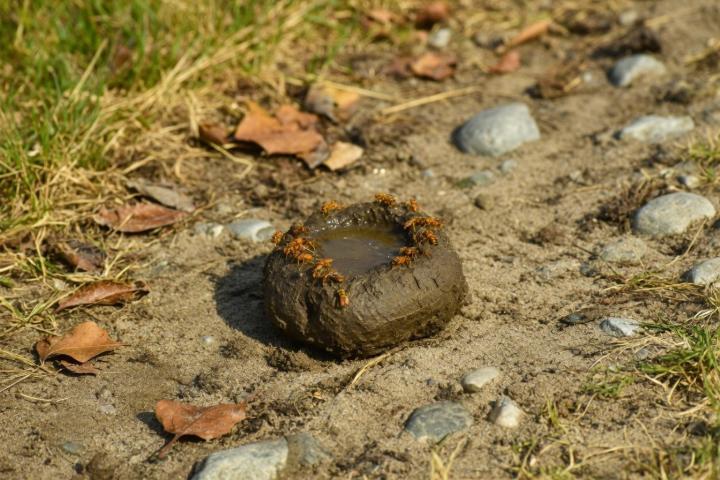
The Global Rise of the Dung Economy: From Waste to World Market
Currently, the demand for natural fertilizers is increasing worldwide. Due to the environmental harm and health impacts caused by chemical fertilizers, countries around the world are now promoting natural fertilizers as an alternative.
The continuous use of synthetic fertilizers damages soil structure, increases acidity, contaminates water resources, and destroys the beneficial microorganisms needed for the soil. Residues from these chemicals can also remain in food, increasing long-term health risks such as cancer and high blood pressure.
Consequently, the global demand for organic food and other products is rising. In such a situation, dung is particularly valuable because it improves soil fertility, enhances microbial activity, and naturally restores soil structure.
Number of Exporters and World Buyers of Cow Dung - Case from India
Source: KisanTak 24/10/2025; RuralVoice 15/05/2023; GauBharatBharati 4/12/2025; IndianNewslink 17/5/2025
India's dung exports further illustrate the potential of this sector. Currently, 181 exporters from India and 327 buyers worldwide are actively participating in the cow dung business. Notably, the use of dung in date farming by a desert-dominated country like Kuwait demonstrates its multifaceted utility and contribution to climate-resilient agriculture. This has established dung not just as an agricultural input, but also as a tool for desert reclamation.
Key Messages:
Value Addition is the Key: Selling raw dung yields minimum value, but processed products can offer 3-5 times more value. For example, dung powder/pellets, vermicomposting, dung-based organic pesticides, dung-based incense sticks and cones (dhoop/agarbatti).
-
Certification Increases Market Access: To enter the international market, organic certification is practically mandatory. This can increase the product's value to 20-30%.
-
Local Resource, International Market: Dung, considered waste in villages, can be processed to meet international quality standards and supplied to countries such as Singapore, the USA, and Gulf nations. For this, quality control, attention to packaging, and testing as per international standards are very necessary.
Cow Dung Incense: A Million-Rupee Business in Nepal
“Cow dung is not waste; it is a coin full of possibilities.” This idea completely changes how we look at cow dung. What began just five years ago with an investment of only Rs. 600 has now grown into a business generating annual sales worth millions of rupees. The entrepreneur produces incense sticks made from Panchagavya, and these products are not only sold within Nepal but are also exported to countries such as the United States, Australia, Canada, and Denmark.
The incense is made from a mixture of cow dung, cow urine, milk, curd, and ghee, and the producer claims that it helps reduce problems such as mental stress, migraines, and insomnia.
The business has created direct employment for many women, while farmers in rural areas have started earning income by selling cow dung. From one kilogram of cow dung, more than 150 incense sticks can be produced, demonstrating the significant potential for value addition.
Description | Value |
|---|---|
Initial investment | Rs. 600 |
Current monthly turnover | Rs. 400,000 – 800,000 |
Annual turnover | Above Rs. 10 million (over one crore) |
Number of incense sticks from 1 kg of cow dung | 150+ pieces |
Cow dung purchase price | Rs. 50 per sack (50 kg) |
Export destinations | United States, Australia, Canada, Denmark |
Shelf life of incense | Up to 5 years |
Source: YouTube (2026)
However, the industry still faces several challenges in Nepal, including the lack of quality testing facilities, the migration of young labor abroad, and limited government support. If these challenges can be addressed, cow-dung incense could make a significant contribution to Nepal’s export economy.
Business Insight:
Small Investment, Big Potential: For households in rural areas that already own cows, starting such a venture is even easier. What may begin as incense produced for personal household use can gradually grow into a business as producers understand market demand and expand production.
Strong Export Potential: Currently, this incense is exported to more than five countries. If linked with Nepal’s tourism sector - for example, offering it as a souvenir to visitors - it could contribute significantly to foreign currency earnings.
Cow Dung Incense Business in Nepal: Huge Potentiality
According to a report, in 2023 alone, Nepal imported more than 3,100 tons of incense, valued at 21 crore rupees. These imported incenses mostly contain synthetic chemicals, petroleum substances, and artificial fragrances, which pose health risks such as respiratory problems and cancer.
Source: Swaviman 29/10/2024
Nepal has approximately 7.2 million cows and oxen, according to data from the National Statistics Office. Despite having such a large number of cattle, Nepal has not been able to commercially utilize cow dung. Cow dung incense has given concrete form to this potential. More than 150 incense sticks can be made from one kilogram of cow dung.
Source: The Farsight 21/1/2026
Compared to chemical incense, cow dung incense is completely natural and does not cause any harm to health. Nepal has the heritage of indigenous cows, whose dung is considered even more effective. If the government makes arrangements for quality testing, provides concessional loans, and supports export promotion, cow dung incense can make a significant contribution to Nepal's economy.
Cow dung incense is just one example.
From this very cow dung, we can produce organic fertilizer (vermicompost).
We can produce biogas.
We can produce mosquito repellent incense.
We can produce Gau Kashtha (cow dung wood).
We can produce biodegradable pots and packaging.
We can produce decorative idols and handicrafts.
Cow Dung Incense Industry: Opportunities and Key Risks
With the potential to replace around NPR 210 million worth of annual incense imports, this sector carries promising economic prospects. However, the long-term success of the industry depends on addressing several key risks. Overall, raw material supply and quality control are the most sensitive areas affecting the sustainability of this business.
Raw Material Supply Risks: Cow dung collection depends heavily on livestock availability and seasonal conditions. During the monsoon season, drying dung becomes difficult. A decline in cattle numbers or irregular supply from collection centers can disrupt the production chain and affect continuous manufacturing.
Quality and Technical Risks: Cow dung may contain chemical residues, dirt, or other impurities. Nepal currently lacks specialized laboratories to test the quality of cow dung Incense. If product consistency is not maintained, there is a risk of losing long-term market trust. Failure to meet international quality standards could create barriers to export.
Market and Price Risks: Cheap incense products from China and India can create price pressure in the domestic market. Demand is also highly seasonal - peaking during festivals but declining during other periods of the year.
Financial and Cash Flow Risks: Although the initial investment may be relatively small, scaling up production requires additional capital. Regular cash flow is needed for purchasing herbs, storage, and transportation. Unstable cash flow can create operational challenges.
Regulatory and Certification Risks: Exporting to international markets often requires organic certification. Nepal currently lacks strong domestic mechanisms to provide such certification. Producers may need to rely on testing or certification services in India, which increases both costs and processing time.
Operational and Management Risks: Coordinating with farmers for dung collection, transportation, and supply chain management can be challenging. Transporting dung from rural areas to urban markets such as Kathmandu increases logistics costs. In cooperative or group-based production models, weak coordination among members may reduce efficiency and productivity.
Final Conclusion: Is There a Future in this Business?
The future of the cow dung Incense industry in Nepal appears promising, sustainable, and multi-dimensional. With the potential to replace around NPR 210 million worth of annual incense imports, this sector is emerging not only as a solution for agricultural waste management but also as an important driver of rural economic growth, women’s empowerment, and export promotion. As a result, the market for cow dung Incense products is expected to expand further in the coming years.
The cow dung dhoop industry offers three-dimensional benefits for Nepal:
Economic dimension: Increases farmers’ income, creates local employment, and generates foreign currency earnings.
Social dimension: Promotes women’s empowerment, encourages rural entrepreneurship, and helps reduce labor migration abroad by creating local livelihood opportunities.
Environmental dimension: Maintains environmental cleanliness, reduces the use of chemical incense products, and encourages the cultivation of medicinal and aromatic herbs.
At present, the cow dung Incense industry in Nepal is still in its early stage of development. However, the story of a woman entrepreneur in Kathmandu who started the business with just NPR 600 and expanded it into a multi-million-rupee enterprise, the growing number of farmers earning income by supplying cow dung from rural areas, and the fact that cow dung dhoop has already begun to reach five export markets, all indicate that this sector is moving in the right direction and holds significant potential for the future.