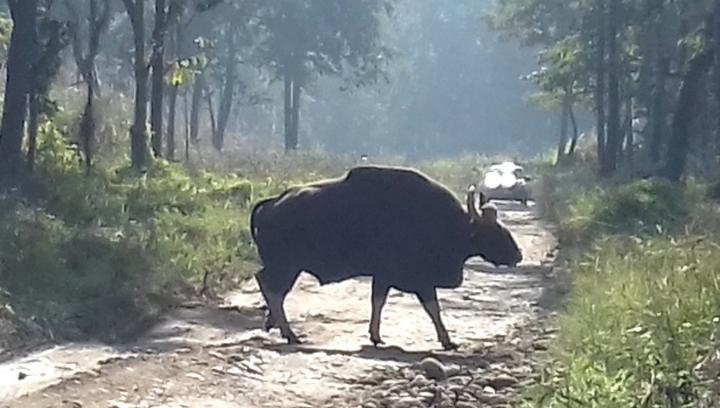
Parsa National Park is one of Nepal’s important protected areas, located in the south-central lowlands near the border with India. It is known for its wide forests, grasslands, and quiet rivers, which provide a safe home for many wild animals. Parsa is home to animals like elephants, tigers, leopards, deer, and many bird species. Compared to more famous parks, it is less crowded, making it a peaceful place for nature lovers.
For travelers coming from Kathmandu, the park lies at an approximate distance
of 150 km, which takes around 6–7 hours by road. Travellers coming from Birgunj
need to travel about 25 km, while the distance from Hetauda is 80 km.
Since road travel is
the primary mode of access, many travellers prefer to combine their visit to
Parsa National Park with the popular Chitwan safari circuit for a broader
wildlife experience.
Visitor Trends and Strategic Opportunities
Visitor numbers show strong growth from 2021, peaking at 1,063 in 2023. A key shift is the rising share of international visitors (SAARC & Foreign), doubling from 2021 to 2023 and accelerating in early 2024. Data for only six months in 2024 suggests seasonality, with the annual total likely lower than 2023's peak.
Year | Nepali | SAARC | Foreign | Total |
| 2021 | 238 | 1 | 4 | 243 |
| 2022 | 993 | 10 | 6 | 1,009 |
| 2023 | 975 | 64 | 24 | 1,063 |
| 2024* | 282 | 13 | 15 | 310 |
Source: Department of National Parks and Wildlife Conservation (2077/78-2080/81); * - Only 6 months available
The Core Insight: To drive growth, the strategy should aggressively market premium tours to the growing international market while creating off-season packages for domestic visitors to stabilize revenue. This must be supported by upgrading amenities and using detailed visitor data for targeted improvements and campaigns.
Seasonal Visitor Patterns: Trend of Nepali Tourists
Domestic visitation to Parsa National Park demonstrates extreme and consistent seasonality, with the vast majority of visits concentrated in just three summer months (June-August). For example, in 2023, over 74% of annual domestic visitors arrived during this short peak period. In contrast, visitor numbers for the remaining nine months of the year are consistently low, often dropping to near-zero levels.
Nepali Tourist Arrival by Month, 2023
Source: Department of National Parks and Wildlife Conservation (2077/78-2080/81)
Key Insight: This data reveals a critical operational and financial vulnerability, as the park's revenue and resources are hyper-focused on an unsustainable three-month window. The strategic imperative is to actively cultivate a "second season" by rebranding the fall, winter, and spring months as ideal for comfortable wildlife viewing and developing targeted off-peak packages to attract domestic visitors year-round, thereby stabilizing revenue and optimizing resource use.
Timing of International Visits
International visitors come at different times than domestic tourists. SAARC visitors are increasing and starting to visit more in spring (March–May), instead of just summer. Foreign visitors are fewer, but the 2023 data shows they may also come in spring or early summer, especially in May. Both groups visit very little in the second half of the year.
Foreign Tourist Arrival by Month, 2023
Source: Department of National Parks and Wildlife Conservation (2077/78-2080/81)
Market Differentiation: This creates two distinct international “micro-seasons” distinct from the busy domestic summer. The spring season (March–May) is a good chance to attract visitors from SAARC countries and abroad. This can extend the park’s busy period and bring in more international tourists before the summer rush of domestic visitors.
Total Visitor Patterns Over the Years
Total annual visitors grew significantly, from 243 in 2021 to 1,063 in 2023. Visitation is overwhelmingly seasonal, with a sharp and consistent peak in the summer months (June-August). In 2023, over 70% of the year's total visitors arrived in just these three months. Conversely, visitor numbers are very low from September through May, creating a highly unbalanced operational cycle.
Total Tourist Arrival by Month, 2023
Source: Department of National Parks and Wildlife Conservation (2077/78-2080/81)
The Bottom Line for Your Business: The park depends heavily on the busy summer season, which makes its income and operations risky. Most of the yearly growth comes from this short period. To grow steadily, the park should encourage tourists to visit during the quieter nine months. This will help keep revenue stable and reduce pressure during the summer peak.
Building a Sustainable Future for Parsa: A Data-Based Plan
Visitor data from Parsa National Park shows clear opportunities for growth. The park has many local visitors and increasing interest from international tourists. This plan explains how to use these strengths, deal with the challenge of short busy seasons, and create valuable experiences that highlight the park’s special wildlife and nature.
"Wildlife Spectacle" Off-Peak Safaris: Transform the quiet months (September-May) into a premier wildlife viewing season. Market the cooler, drier weather as ideal for animal activity and comfortable exploration. Offer specialized safaris focused on birding, rhino and tiger tracking, and photographic hides to attract international enthusiasts and domestic weekend travelers.
"Cultural Corridor" Experiences: Develop experiences that connect the wilderness to local Tharu culture. Offer village homestay packages, cultural tours, and nature walks led by community guides in the buffer zone, especially during the shoulder seasons.
Reliable & Premium Wildlife Packages: To capture the growing international market, partner with travel agencies to offer all-inclusive, high-quality packages. These should feature expert naturalist guides, guaranteed safari jeeps, comfortable lodge stays, and seamless permit arrangements, turning interest into confirmed visits.
Domestic Festival & Educational Packages: Maximize the loyal domestic market during their peak travel seasons (Dashain, Tihar, summer holidays). Create special family-friendly safari packages, student educational tours focusing on conservation, and discounted group rates to stabilize revenue during predictable domestic surges.
Large-Scale Hotel Development Inside the Park: The core zone's primary value is its pristine wilderness. A major hotel would be economically unviable due to low year-round occupancy, pose significant logistical and environmental challenges, and fundamentally alter the authentic safari experience visitors seek.
A Stand-Alone, Fine-Dining Restaurant at the Park Entrance: A restaurant dependent purely on tourist traffic would face extreme volatility—busy for brief periods and empty for weeks.
A General Trekking Gear Retail Store: Most visitors, especially international tourists, arrive prepared. A shop stocking standard trekking equipment would struggle. A more viable model is a convenience outlet offering forgotten essentials (sunscreen, hats), local crafts, maps, and wildlife guidebooks.
Ignoring the Pronounced Seasonal Visitor Cycle: The data shows intense peaks and long troughs. Any plan assuming steady, year-round customer flow will fail.
Avoid Harmful Infrastructure: Don’t build large hotels, big souvenir shops, or wide paved roads in the park’s core areas. These can damage wildlife habitats, cause conflicts between people and animals, and reduce the natural experience that makes the park special.
Be Smart with International Marketing: Don’t spend a lot on broad, expensive global ads. International tourists are still a small, niche group. Focus on low-cost, targeted online marketing for wildlife, birdwatching, and photography enthusiasts.
Support Local Communities: Avoid tourism that sends profits or management to outsiders. This reduces benefits for local people and weakens support for conservation. Instead, train local guides, buy supplies from nearby communities, and share revenue with the people living around the park.
Parsa National Park: Three Possible Scenarios
Based on the 2021-2023 annual totals and incorporating the potential impact of the incomplete 2024 data, here are the realistic, optimistic, and cautious projections for Parsa National Park's 2026 total visitors.
Scenario | Visitor Estimate |
| Realistic | ~ 1,375 |
| Optimistic | ~ 1,550 |
| Cautious |
~ 1,100 |
Note: 80% Confidence Interval
Important Note: Treat these figures as a planning benchmark, not a promise. Tourism can shift quickly due to policies, the global economy, or local events.
Parsa National Park Winning Formula
Conserve the Wild Heart: Wildlife First: Protect the park’s core assets—Bengal tigers, one-horned rhinoceroses, and rich Sal forest ecosystems. All tourism activities (safaris, walks) must follow strict low-impact principles. Educate every visitor on respectful wildlife viewing and conservation to preserve the wilderness experience.
Own the Seasonal Strategy: Master the summer peak (June–August) by optimizing premium safari capacity and guided tours. Then, actively create a profitable off-peak season (September–May) by rebranding it as the ideal time for wildlife spotting, birding, and comfortable exploration with special packages.
Be the Premier Wildlife Destination, Not Just a Park: Position Parsa as Nepal’s most accessible and wildlife-rich Terai safari destination. Train guides as expert naturalists in local ecology, animal behavior, and bird identification.
Grow Through Community-Led Tourism: Integrate local Tharu communities as essential partners. Promote authentic cultural experiences in buffer zone villages (homestays, cultural tours, traditional meals).
Simplify the Visitor Journey: Make visiting seamless. Partner with travel agencies to offer all-inclusive, reliable safari packages from Kathmandu or Chitwan that bundle transport, permits, guided jeep safaris, and trusted accommodations.
Value and Nurture the Domestic Market: Nepali visitors are the consistent backbone of park tourism. Design tailored, value-conscious packages for families, student groups, and holiday travelers during Dashain, Tihar, and summer breaks.
Leverage Data for Smart Decisions: Use detailed visitation data to track trends, understand visitor origins, and measure seasonality. Let this data guide targeted marketing, operational planning, and the development of new visitor experiences—turning insights into action.