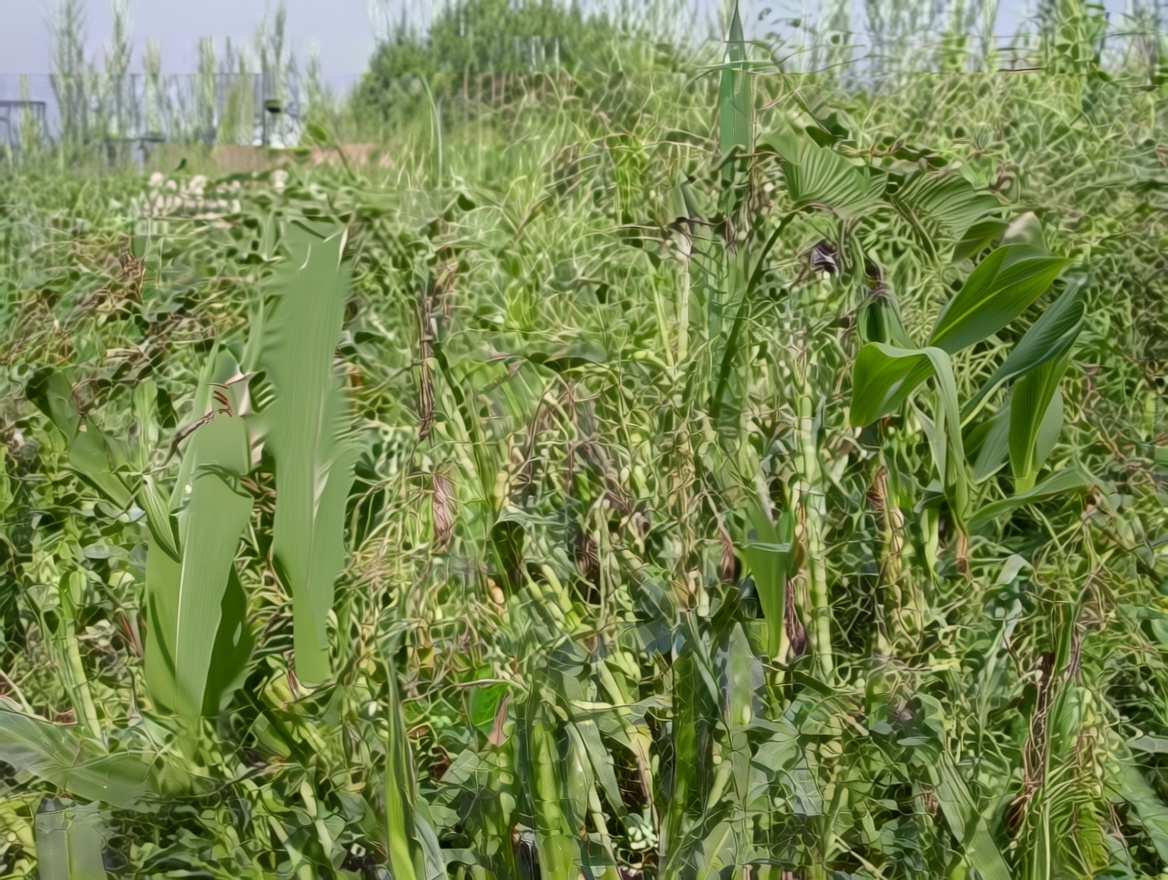
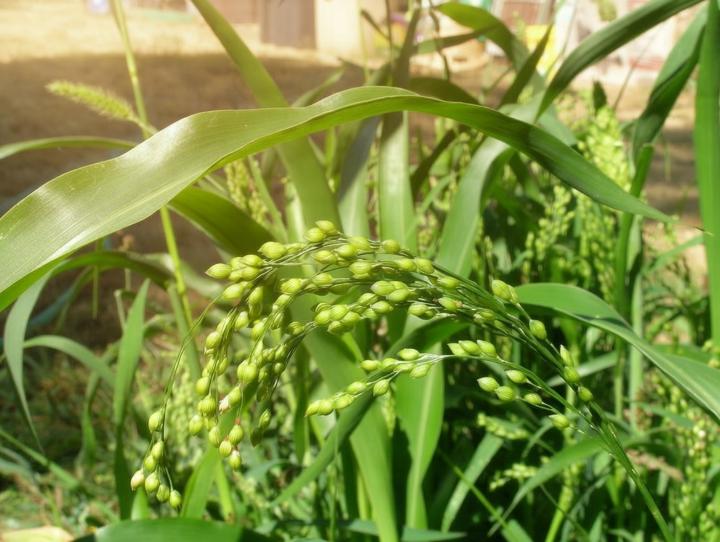
Chino (finger millet), grown in the remote settlements of Mugu district in Karnali, was once a neglected and overlooked grain. Today, however, it has re-emerged as a high-potential commercial crop closely linked to health benefits. For farmers, it offers direct access to markets at their doorstep, where local traders purchase it at around NPR 60 per kilogram, with profits reaching up to NPR 76,872 per hectare under proper management and market access.
From a business perspective, the wide price gap between farmgate prices and urban retail markets (NPR 350–400) creates strong opportunities for aggregation, processing, and branding. As Chino becomes established as a beneficial dietary option for people with diabetes and high blood pressure, its demand is steadily and sustainably growing in cities like Kathmandu, Surkhet, and Nepalgunj.
The key challenge now is no longer generating demand, but expanding production, developing small-scale processing industries, and positioning “Mugure Chino” as a Himalayan superfood. Overall, this article presents the market potential of Chino, its production economics, price dynamics, global insights, and a practical roadmap for transforming it into a sustainable and inclusive business.
Rising Demand Driven by Health Awareness
There was a time when even in the villages of Mugu, there was little demand for Chino (finger millet), and its cultivation was gradually disappearing. However, in recent years, as the number of health-conscious consumers has increased, demand for Chino has grown significantly in urban areas.
The number of consumers is rising in cities such as Surkhet, Kathmandu, Butwal, Nepalgunj, and Bhairahawa.
According to local traders from Chhayanath Rara Municipality–6, demand increased after Chino began to be promoted as having medicinal benefits. In particular, people suffering from diabetes and high blood pressure have been actively seeking it out.
Farmgate Price (Per Kg.)
Key Messages:
A blessing for health: Since people with diabetes and high blood pressure are specifically looking for it, the market demand is likely to remain stable.
-
Direct sales model: As local traders travel directly to villages to purchase Chino, farmers do not have to worry about transportation hassles.
-
Reviving cultivation: A crop that was once on the verge of disappearing is now beginning to flourish again.
Chino Production Analysis – Mugu District Case Study
Chino (finger millet) cultivation is gradually expanding in the Mugu district. According to data from the Agriculture Development Office, Mugu (as reported in Gorkhapatra, 2082 B.S.), Chino is cultivated on 21 hectares of land, producing a total of 42 metric tons.
Below is a translated and structured summary of the production and profitability indicators:
Indicator | Gorkhapatra | Pant et al. (2025) | Remarks |
|---|---|---|---|
Cultivated Area | 21 ha | 21 ha | Same land coverage |
Yield (kg/ha) | 2,000 | 1,497 | Per-hectare production |
Total Production | 42,000 kg | ~31,437 kg | Yield × Area |
Average Farmgate Price (NPR/kg) | 60 | 34 | Optimistic vs empirical price |
Production Cost (NPR/ha) | 43,128 | 43,128 | Includes labor, seeds, and manure |
Total Revenue (NPR/ha) | 120,000 | 50,790 | Yield × Price |
Net Profit (NPR/ha) | 76,872 | 7,662 | Revenue − Cost |
Profit Margin | 64% | ~15% | (Net Profit ÷ Revenue) × 100 |
Return on Investment (ROI) | 178% | ~18% | (Net Profit ÷ Cost) × 100 |
Profit per NPR 1 invested | NPR 1.78 | NPR 0.18 | Indicates net gain per unit of investment |
Source: Gorkhapatra Online 04/01/2026; Nepaliraibar 04/01/2026; Pant et al. (2025)
Calculation Transparency
1️⃣Total Revenue (Per Hectare)
Scenario | Yield (kg/ha) | Price (NPR/kg) | Revenue (NPR/ha) |
|---|---|---|---|
Gorkhapatra | 2,000 | 60 | 120,000 |
Pant et al. | 1,497 | 34 | 50,790 |
2️⃣ Production Cost (Per Hectare)
Scenario | Cost (NPR/ha) | Source |
|---|---|---|
Both | 43,128 | Pant et al., 2025 |
Note: Cost includes labor, seeds, manure, and fixed costs (land rent, depreciation).
3️⃣ Net Profit (Per Hectare)
Scenario | Net Profit (NPR/ha) | Formula |
|---|---|---|
Gorkhapatra | 120,000 − 43,128 = 76,872 | Revenue − Cost |
Pant et al. | 50,790 − 43,128 = 7,662 | Revenue − Cost |
4️⃣ Profit Margin
Scenario | Profit Margin | Formula |
|---|---|---|
Gorkhapatra | 64% | (76,872 ÷ 120,000) × 100 |
Pant et al. | ~15% | (7,662 ÷ 50,790) × 100 |
5️⃣ Return on Investment (ROI)
Scenario | ROI | Formula |
|---|---|---|
Gorkhapatra | 178% | (76,872 ÷ 43,128) × 100 |
Pant et al. | ~18% | (7,662 ÷ 43,128) × 100 |
Business Insight:Chino cultivation in Mugu is small but offers sustainable, profitable potential. Current surveys show a net profit of ~NPR 7,662/ha, but with improved yield and market price (NPR 60/kg), profit could reach NPR 76,872/ha. Direct purchases by local traders reduce farmers’ risk, making Chino an attractive business opportunity for farmers and investors.
Market Availability and Demand
In recent years, as the number of health-conscious consumers has increased, the demand for Chino has risen significantly in cities such as Surkhet, Kathmandu, Butwal, Nepalgunj, and Bhairahawa. In particular, people suffering from diabetes and high blood pressure have even started consuming Chino as a form of medicine.
After my doctor advised me to eat Chino rice instead of regular rice, I have been eating it for the past two years,” she said. “Even though it is expensive, I continue to consume Chino because it helps maintain my health. It has been helping keep my sugar level under control.
Man Kumari Karki cited in Onlinekhabar Khabar 14/08/2025
The price of Chino varies depending on location and sales channel. Farmers in Mugu are selling it to local traders at NPR 60 per kilogram. However, when the same Chino reaches the capital, Kathmandu, consumers are paying between NPR 350 and 400 per kilogram.
Location | Selling Price (Per Kg) | Main Drivers of Demand |
|---|---|---|
Mugu (Farmer Sale) | NPR 60 | Purchased directly by local traders in villages |
Kathmandu (Retail) | NPR 350–400 | Demand driven by diabetes and blood pressure management |
Humla (Government Sale) | NPR 260 | Sold through the Food Management Company |
Source: Online Khabar 14/08/2025
Large price gap: Farmers get NPR 60, while consumers pay up to NPR 400.
Limited supply: Chino is grown on only about 200 hectares in Karnali.
Processing opportunity: Products like flour, biscuits, and muesli can expand the market and increase income.
Chino Diversification: Three Global Lessons for Nepal
In Nepal, Chino is traditionally consumed as rice, dhindo, or roti. However, in other countries, even small grains like millet are being transformed into high-value, value-added products to increase farmers’ income, ensure nutrition security, and generate employment. India has linked it to superfoods and tourism, Sri Lanka has focused on technology transfer and improved varieties, and Africa has used it as a tool to combat malnutrition.
In this context, Nepal can also develop Chino not just as a local staple but as a commercially diversified crop. Here are three global examples and the lessons Nepal can learn from them.
Learn from India (Uttarkhand): Branding and Tourism
In Uttarakhand and Himachal Pradesh, local grains such as ragi (mandua/kodo) and jhangora are branded as “Himalayan Superfood.” Resorts and hotels serve tourists local grain-based dishes (ragi roti, jhangora kheer) marketed as “Himalayan Health Food.” The Uttarakhand government runs a Millet Mission to support farmers in processing and branding their produce. (Source: https://agriculture.uk.gov.in/)
Brand “Mugure Chino” and market it to five-star hotels and health-conscious consumers in major cities like Kathmandu and Pokhara.
Serve Chino-based dishes (dhindo, roti) to trekkers in Karnali and Annapurna regions as part of the local trekking experience.
Package products with tags like “Gluten-Free,” “Natural,” “Himalayan Grain” to appeal to premium and health-conscious markets.
Learn from Sri Lanka: Technology and Research
Under the Department of Agriculture, Sri Lanka’s Field Crop Research and Development Institute (FCRDI) has developed improved millet varieties to increase productivity. They created drought-tolerant, high-protein millet varieties and researched soil-adapted, low-water crops to reduce production costs.
Example: FCRDI developed an improved finger millet (kodo/chino) variety called ‘Rawana’, which performs well in dry regions.
Source: (https://doa.gov.lk/)
The Nepal Agricultural Research Council (NARC) should invest more in developing high-yielding Chino varieties. Current yields in Mugu are ~2 metric tons/ha; research could increase this to ~2.8 metric tons/ha.
-
Develop disease-resistant and drought-tolerant varieties.
-
Train agricultural technicians in modern Chino cultivation techniques so they can transfer knowledge to farmers.
Learn from Europe: Health Market and Premium Price
In Europe, millet (Chino) is sold in the premium market as “Gluten-Free” and “Organic Health Food.” European consumers are health-conscious and seek high-quality, nutritious, and natural foods. Even with small-scale production, good branding and packaging allow it to command high prices.
(https://www.imarcgroup.com/news/millet-price-index)
Example: In the third quarter of 2025, millet prices in Germany reached USD 1,840 per metric ton (approximately NPR 245 per kg). This high price is driven by strong demand from bakeries, functional food producers, and organic product manufacturers. Millet has achieved premium pricing in Europe’s specialized consumer market.
Brand current product as “Gluten-Free Himalayan Chino.” Enter national and international markets. Make packaging attractive and use digital marketing to raise the value of Chino.
Promote Chino-based dishes in hotels and tourist menus. With organic certification, exported to Europe at premium prices.
Final Conclusion: Is There a Future in the Chino Business?
Yes, there is a bright future in the Chino business. However, that future is not limited to Mugu’s small local market. It is connected to health, tourism, branding, and technology.
Even now, the daily demand for Chino rice ranges from 20 to 30 kilograms. However, because production is limited, we haven't been able to meet the demand.
- Active Local Market, Passive Government Policy: The Chino trade is currently driven mainly by local traders. Government-announced plans need effective implementation to support expansion.
- Expanding Production, but Processing is Essential: The real income potential of Chino lies in processing (such as Chino flour, biscuits, and baby food). While the current ROI is reported at 178% under optimistic conditions, value addition through processing could potentially increase returns up to 300%.
- Strong Potential for Branding and Tourism: “Mugure Chino” can be branded as a “Himalayan Superfood,” creating premium market positioning.
Instead of selling raw Chino, the focus should shift toward value addition. If local cooperatives and the private sector collaborate to establish small processing centers, improve packaging, and market it nationally as a “gluten-free, healthy food,” Chino could drive not only income growth for farmers in Mugu but also broader economic transformation across Karnali.