Welcome to a new era for Sagarmatha National Park. Home to Everest, this region hasn't just recovered. It has exploded. In just three years, visitor numbers skyrocketed from 11,111 to 60,831. Within the first six months of 2024, the number has already reached 28,132, displaying the love for Everest. For every lodge owner, guide, and business here, this is more than a number. It’s a complete reset. This means a huge opportunity, but also an urgent question: Is your business ready to capture this new demand?
Unlike city tourism, Sagarmatha runs on mandatory movement. Trekkers cannot skip villages. Every 8–15 km, they must stop, eat, sleep, and recharge. This creates a guaranteed local economy, structured along a fixed route: from Lukla (8 km to Phakding), to Namche Bazaar, Tengboche, Dingboche, and onward to Everest Base Camp. Any business located on this chain is not competing for visitors - it is competing for spending per visitor.
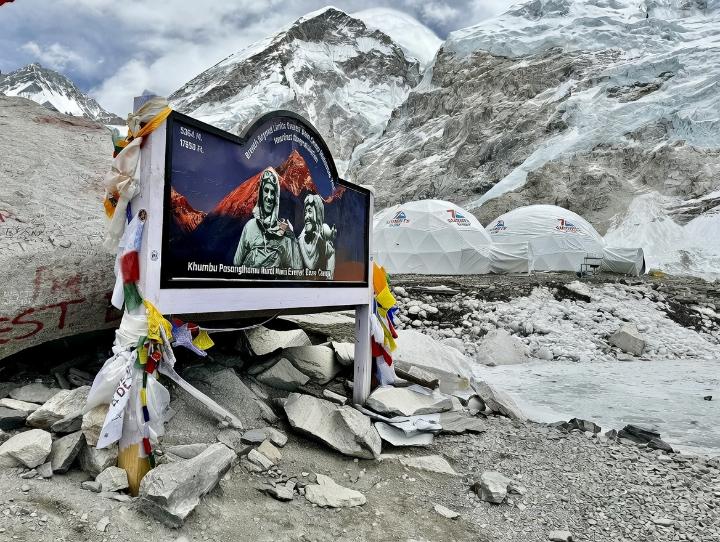
From Recovery to Revolution: Everest's New Tourism Era
This growth is driven by one clear force: international tourists. While local and regional visitor numbers have grown steadily, foreign arrivals have skyrocketed. They’ve gone from making up half of all visitors in 2021 to more than 90% today. This isn't just more people - it's a totally different market, centered on global travelers with different needs and expectations.
Just In: The total number of tourists visiting this park stands at 57,280 for 2024 (Source: New Business Age 17/4/2025). We will update the table once the disaggregation is available.
Year | Nepali | SAARC | Foreign | Total |
|---|---|---|---|---|
2021 | 3,695 | 1,854 | 5,562 | 11,111 |
2022 | 6,060 | 4,715 | 34,591 | 45,366 |
2023 | 7,023 | 7,013 | 46,795 | 60,831 |
2024* | 4,135 | 3,691 | 20,306 | 28,132 |
Source: Department of National Parks and Wildlife Conservation (2077/78-2080/81); * - Only 6 months available
The Core Insight: Your business must now speak directly to the international traveler. Prioritize what matters most to them: reliable connectivity, hot showers, comfortable beds, and clear communication. Set your pricing, menu, and online presence with this customer in mind. If you're not actively visible on global travel platforms and review sites, you're missing the vast majority of your potential guests.
Your Year Has Two Seasons: Peak and Preparation
The flow of Nepali tourists provides a crucial counter-rhythm to the main trekking seasons. While international traffic shuts down, local travel provides essential year-round income. The data shows strong, reliable peaks in March-April and again in September-November. Unlike foreign visitors, there is still a meaningful - though smaller - stream of guests every single month, even during the deep winter and monsoon. This proves there is always a domestic market, making complete closure a potential missed opportunity.
Nepali Tourist Arrival by Month, 2023
Source: Department of National Parks and Wildlife Conservation (2077/78-2080/81)
Actionable Insight: Use Nepali tourists to stabilize your cash flow. In your slowest months (June, July, December, January), create a simple, affordable package for local travelers. Offer a 20-30% discount for Nepali citizens to keep your doors open and staff employed. This strategy turns your low season from a total loss into a period of steady, reliable income. Promote these offers on local Facebook groups and travel pages in Kathmandu and Pokhara.
International Tourism: A Six-Month Wave
The numbers show a clear and extreme pattern. For international tourists, the year is dominated by two short bursts. Over 85% of all foreign and SAARC visitors arrive in just six months: March, April, May, September, October, and November.
In peak months like March and April 2023, over 17,000 foreigners arrived in this national park. In the slowest months, like January and July, that number dropped to just a few hundred. This creates a massive 21-to-1 swing in demand that dictates the entire local economy.
Foreign Tourist Arrival by Month, 2023
Source: Department of National Parks and Wildlife Conservation (2077/78-2080/81)
Key Insight: You must plan for two different businesses. For six months, you operate at maximum capacity, focusing on high-value services for the surge of international clients. For the other six months, you cannot run the same expensive operation. Your business model must include a deliberate low-season plan: reducing staff, closing parts of your lodge, performing maintenance, and targeting the smaller but steadier Nepali and SAARC market to cover basic costs. Trying to operate a full, peak-season business year-round is a guaranteed way to lose money.
Your Business Year in Four Parts
Looking at the total tourist numbers, the year breaks down into four clear operational phases, not twelve similar months. The Peak Months (March, April, September, October, November) are your entire business, generating roughly 85% of annual visitors. The Shoulder Months (May, September) see moderate activity, mainly from early or late-season trekkers. Other months (January, July, August) are effectively closed for mainstream tourism, with visitor numbers dropping to less than 5% of the peak.
Total Tourist Arrival by Month, 2023
Source: Department of National Parks and Wildlife Conservation (2077/78-2080/81)
Key Insight: Stop planning one annual budget. You need four separate operational plans - one for each season. Your staffing, inventory, menu, and pricing must be completely different in October than they are in July. Budget your year so that the intense profits from the six peak months cover all your annual costs and generate your income. The other six months are for maintenance, preparation, and serving a small local market at minimal cost.
Everest Expeditions: A Maturing Market
The numbers show that the initial post-pandemic surge in climbers is stabilizing. While there was a significant jump from 2022 to 2023, total climbers actually decreased slightly in 2024, from 478 to 422. This suggests that the phase of explosive, pent-up demand is over. The market has settled into a more predictable pattern, serving a consistent group of high-end clients each season.
Number of Mountaineers in the Everest
Source: Department of National Parks and Wildlife Conservation (2077/78-2080/81)
Key Insight: For expedition operators, the strategy must shift from chasing volume to delivering premium value. With a stable, smaller number of climbers, competition will intensify for each client. Success will depend less on selling more permits and more on offering superior safety records, exceptional service, and specialized experiences. Operators should focus on building a reputation that justifies a higher price, rather than trying to attract the highest number of climbers.
The Everest Economy: Guide to Investment
The numbers are clear: Sagarmatha is experiencing a historic wave of tourism. With this surge comes a critical choice. Simply having a lodge or agency is no longer enough. The real opportunity and the key to long-term survival lies in smart, targeted investment.
High Opportunity Areas ✅
Premium Comfort in Key Locations: Adding attached bathrooms with reliable hot showers in bottleneck villages (like Tengboche, Dingboche, Lobuche) is your single best investment.
Essential Warmth & Power: Reliable heating systems (solar, hydro) and backup power solutions are not luxuries; they are competitive necessities. A warm dining room and a charged phone are what turn a good review into a great one and justify higher spending.
Guaranteed Connectivity: Investing in a strong satellite WiFi system is an investment in marketing.
Mastering the Booking: A simple online booking system (via your own website or social media) and a professional online presence ensure you capture visitors planning their trips months in advance—the most valuable customers.
Kitchen & Menu Upgrade: A quality kitchen capable of producing a varied, consistent, and hygienic menu (including Western options) increases guest satisfaction and your profit margins on food.
The Porter Niche: Building clean, warm, and secure porter accommodation taps into a large, consistent, and underserved market.
Cautious Approach Areas ⚠️
New Construction in Saturated Locations: Building a new lodge in already crowded villages like Namche Bazaar can be a trap. The competition is fiercest, land costs are highest, and you must offer something truly exceptional to stand out.
Over-Investment in Luxury Beyond Market Willingness to Pay: Don't price yourself out of the market. While comfort upgrades are profitable, installing luxury features that don't align with the typical trekker's budget—like air conditioning or gourmet dining—may not bring a good return.
Dependence on Single Nationality Markets: Avoid putting all your marketing eggs in one basket. If 80% of your clients come from one or two countries, your business is vulnerable to travel bans, economic downturns, or shifting trends in those places.
Ignoring Environmental Sustainability: Eco-friendly practices are now a strong selling point, not a cost. Visitors increasingly choose businesses that respect the environment.
Poor Staff Training: Your staff are your front line and your brand. In a crowded market, friendly, helpful, and well-trained staff create memorable experiences that lead to great reviews and repeat business.
Areas to Avoid or Mitigate ❌
Remote Locations Without Strategic Advantage: Location is everything. Building in a village that is not a standard overnight stop on a major trekking route means you will have very few spontaneous guests.
Competing Solely on the Lowest Price: Lower prices attract the most budget-conscious travelers, who spend the least on extras. This strategy erodes your profits, makes it impossible to reinvest in quality, and leaves you vulnerable to anyone who can undercut you by a few rupees.
Ignoring Online Reviews and Reputation Management: In today's world, your online reputation is your storefront. Over 90% of foreign travelers research online before booking. Not responding to reviews—both positive and negative—or having no online presence signals poor service and unreliability.
Non-Trekking-Related Businesses Without a Clear Market: The economy here is built on trekking and mountaineering. Opening a business that does not serve the needs of trekkers, porters, or guides—like a general retail shop selling non-essential goods—is very risky.
Plan For Tomorrow: Using Data to Future-Proof Your Business
While the recent growth has been historic, it is not a promise for the future. The data tells a story of powerful momentum, but smart planning requires looking ahead, not just behind.
Scenario | Visitor Estimate |
|---|---|
Realistic | ~ |
Optimistic | ~ |
Cautious | ~ |
Note: 80% Confidence Interval
Important Note: Treat these figures as a planning benchmark, not a promise. Tourism can shift quickly due to policies, the global economy, or local events.
Sagarmatha Winning Formula
Target the Premium International Trekker: They are your core customer. Every upgrade—hot showers, reliable WiFi, quality beds - should be aimed at attracting and satisfying them. Your pricing and marketing must reflect the value you provide to this global audience.
Master the Six-Month Harvest: Your entire year depends on the two peak seasons. Maximize revenue during these windows with smart pricing and efficient operations. Then, strategically minimize costs in the off-season. This cycle of intense harvest followed by deliberate preparation is your new business calendar.
Invest in Comfort, Not Just Construction: The highest return comes from upgrading existing services for the international market. Prioritize investments that directly improve the guest experience—like heating, hot water, and connectivity—over expensive new building projects.
Build a Resilient, Year-Round Model: Use the steady Nepali and SAARC markets to create cash flow during your quiet months. Simple, affordable offers for these groups turn the off-season from a total loss into a period of stability and maintenance.
Guard Your Reputation Like a Treasure: In a digital world, your online reviews are your most powerful advertisement. Actively manage your presence, respond to every guest, and let exceptional service be your best marketing.